Players in action on a sports field
The Case For Play

Why Sport
Still Matters

Long before it was a scoreboard or a highlight reel, sport was how humans learned to move, to lose gracefully, and to trust the person standing next to them. Here's why that hasn't changed.

Scroll to read
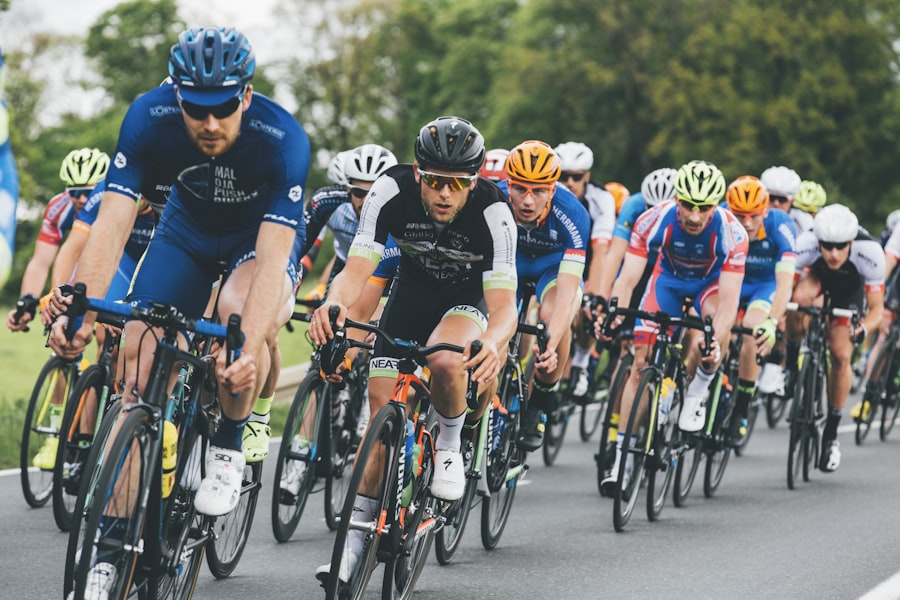
Opening Whistle

More than a game

Sport rarely announces what it's really teaching. On the surface it looks like running, jumping, and chasing a ball — but underneath, it is one of the most complete classrooms a person can walk into. Every match is a lesson in patience. Every practice is a lesson in discipline. Every loss, if you let it, is a lesson in humility.

That's the real reason sport has survived every culture and every century: it doesn't just build stronger bodies, it builds steadier people. A child who learns to get back up after being tackled on a field carries that same instinct into a tough exam, a hard conversation, or a difficult year. The field is simply where the lesson is easiest to see.

This page is a slow, honest look at why sport deserves a permanent place in our lives — not as an extracurricular afterthought, but as one of the most quietly powerful habits a person can keep.

Basketball player in mid-air during a game
Chapter One

What it does for the body

Before it does anything for the mind, sport has to convince the body to show up. And once it does, the body rarely regrets it.

Runners on a track mid-stride
Strength & Stamina

A body that trusts itself

Regular play strengthens the heart, sharpens the lungs, and teaches muscles to work together instead of against each other. Over time this isn't just about looking fit — it's about a body that can carry you through a long day without complaint, that recovers faster from illness, and that simply feels more capable.

Children who grow up playing sport tend to carry better posture, coordination, and bone density into adulthood, while adults who stay active buy themselves years of independence later in life.

Group doing outdoor fitness training together
Everyday Health

Protection you don't have to think about

Movement is one of the few things doctors, therapists, and researchers agree on almost universally. Consistent physical activity lowers the risk of heart disease, supports healthy weight, improves sleep quality, and keeps the immune system alert. None of this requires elite performance — a weekly game is enough to start paying dividends.

Unlike a gym routine that can feel like a chore, sport disguises exercise as something you actually want to do again tomorrow. That's what makes it sustainable in a way few other habits are.

Chapter Two

What it does for the mind

If the body is the first thing sport changes, the mind is where the change actually lasts.

Person catching their breath after a run, looking calm
Stress & Mood

A pressure valve that actually works

Physical activity releases the same chemicals — endorphins, dopamine, serotonin — that many people spend years trying to access through other means. A hard practice or a fast game gives the mind somewhere to put its restlessness, and most people walk off the field lighter than they walked on.

This is why so many people who play sport describe it as "clearing their head." It isn't a figure of speech. Focused movement genuinely interrupts anxious thought patterns and gives the nervous system a chance to reset.

Athlete focused before a match, showing concentration
Focus & Confidence

Learning to trust your own decisions

A game moves fast. There's no time to overthink a pass or a shot — you decide, you act, and you live with the outcome. That habit of quick, committed decision-making trains a kind of confidence that's hard to build anywhere else, because it's earned in real time, under real pressure, in front of real people.

Athletes often carry this same composure into interviews, presentations, and hard conversations — not because sport made them fearless, but because it gave them practice acting well despite the fear.

"Sport has the power to change the world. It has the power to inspire. It has the power to unite people in a way that little else does."
— Nelson Mandela
Chapter Three

What it does for character

The most lasting gifts of sport rarely show up on a scoreboard. They show up years later, in how a person handles the rest of their life.

Teamwork

Sharing the ball, the credit, and the blame teaches a kind of cooperation that classrooms rarely can. You learn to trust people you didn't choose to work with, and to be trusted in return.

Discipline

Showing up to practice on the days you don't feel like it is where real discipline is built — quietly, repeatedly, long before anyone is watching.

Losing Well

Sport is one of the few places society still allows people to fail in public and try again the following week. That repeated, low-stakes practice with failure builds genuine resilience.

Leadership

Someone has to call the play, calm the team down, or take the last shot. Sport hands out leadership opportunities to people who might never raise their hand for one anywhere else.

Belonging

A team, a club, a regular weekend match — these become a community. For many people, their sport is where their closest friendships were formed and kept.

Sports team celebrating together after a match

Go play
something.

You don't need to be talented, young, or competitive to benefit from sport. You just need to show up, move, and let the rest happen the way it always has — one practice, one game, one small win at a time.